Content Menu
● 1. Modular Design
● 2. High Load-Bearing Capacity
● 3. Enhanced Safety Features
● 4. Compliance with Safety Standards
● 5. Easy Access and Egress
● 6. Cost-Effectiveness
● 7. Training and Education
● 8. Technological Integration
● 9. Environmental Considerations
● 10. Case Studies
>> Case Study 1: High-Rise Construction Project
>> Case Study 2: Bridge Renovation
● Conclusion
● FAQ
>> 1. What are the main characteristics of system scaffolding?
>> 2. How does modular design improve worksite safety?
>> 3. What safety features are included in system scaffolding?
>> 4. Why is compliance with OSHA important for scaffolding?
>> 5. How does system scaffolding contribute to cost savings?
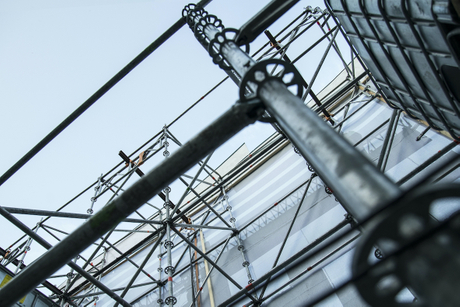
In the construction industry, safety is paramount. One of the critical components that contribute to worksite safety is system scaffolding. This type of scaffolding is designed with specific characteristics that enhance safety for workers at height. In this article, we will explore the various characteristics of system scaffolding and how they contribute to a safer working environment.
1. Modular Design
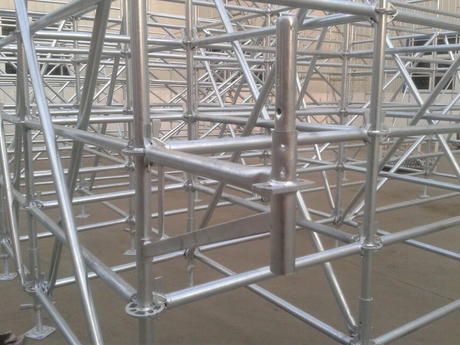
Modular design is one of the defining characteristics of system scaffolding. This design allows for the easy assembly and disassembly of scaffolding systems, which can be tailored to fit various construction needs.
- Flexibility: Modular components can be configured in multiple ways, allowing for adaptability to different structures and environments. This is particularly beneficial in complex construction projects where unique shapes and heights are involved.
- Efficiency: Quick assembly and disassembly reduce downtime on construction sites, enabling projects to stay on schedule. Workers can set up or take down scaffolding in a fraction of the time compared to traditional scaffolding methods.
2. High Load-Bearing Capacity
System scaffolding is engineered to support substantial weight loads, making it suitable for heavy construction projects.
- Robust Materials: Typically constructed from high-strength materials such as steel or aluminum, system scaffolding provides the necessary strength and stability. The use of advanced materials ensures that the scaffolding can withstand harsh conditions without compromising safety.
- Safety Assurance: The high load-bearing capacity minimizes the risk of accidents related to structural failures. This characteristic is crucial when heavy materials or equipment are being used at height, as it ensures that the scaffolding remains stable under pressure.
3. Enhanced Safety Features
Safety features are integral to system scaffolding, ensuring that workers are protected from falls and other hazards.
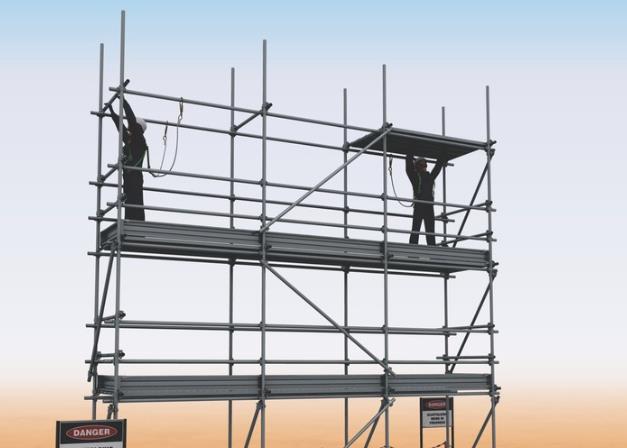
- Guardrails: Installed at various heights to prevent falls, guardrails are a critical safety feature that significantly reduces the risk of accidents on-site.
- Toe Boards: These boards prevent tools and materials from falling off the scaffolding, which could pose a danger to workers below.
- Non-Slip Platforms: Providing secure footing for workers, non-slip platforms are essential for maintaining stability, even in wet or slippery conditions. This feature is particularly important in outdoor construction sites where weather can change rapidly.
4. Compliance with Safety Standards
System scaffolding meets and exceeds federal and local safety standards, including those set by OSHA (Occupational Safety and Health Administration).
- Regular Inspections: Scaffolding systems allow for frequent inspections to identify potential hazards. Regular checks ensure that all components are functioning correctly and safely.
- Load Limit Awareness: Clear labeling of load limits helps prevent overloading, which can lead to collapses. Workers are trained to understand these limits, further enhancing safety on-site.

5. Easy Access and Egress
System scaffolding is designed with safe access points that facilitate easy entry and exit for workers.
- Access Ladders: Provide safe means for workers to reach elevated areas without risking falls. These ladders are often integrated into the scaffolding design, ensuring they are stable and secure.
- Dedicated Pathways: Minimize the risk of falls by ensuring clear routes for movement. This organization helps maintain order on busy construction sites where multiple workers may be operating simultaneously.
6. Cost-Effectiveness
While safety is the primary concern, system scaffolding also offers cost benefits due to its efficient design.
- Reduced Labor Costs: Fewer components mean shorter installation times and lower labor costs. The modular nature allows teams to work more efficiently, leading to significant savings over time.
- Durability: High-quality materials ensure a longer lifespan, reducing replacement costs over time. Investing in durable system scaffolding pays off in the long run as it requires less frequent replacement compared to traditional options.
7. Training and Education
Another vital aspect of enhancing worksite safety through system scaffolding is the emphasis on training and education for workers.
- Safety Training Programs: Many companies implement comprehensive training programs that cover proper assembly techniques, weight limits, and safety protocols associated with system scaffolding.
- Certification Requirements: Some jurisdictions require workers to obtain certification before operating or working on scaffolds. This ensures that all personnel understand the risks involved and how to mitigate them effectively.
8. Technological Integration
The integration of technology into system scaffolding design has also contributed significantly to enhancing safety.
- Smart Scaffolding Systems: Some modern systems come equipped with sensors that monitor load distribution and structural integrity in real-time. These sensors can alert workers if any parameters exceed safe limits.
- Mobile Apps for Monitoring: Applications allow project managers to track scaffold usage, maintenance schedules, and inspection records digitally, ensuring compliance with safety regulations.
9. Environmental Considerations
As sustainability becomes increasingly important in construction practices, system scaffolding offers several environmental benefits.
- Reusability: Many components of system scaffolding can be reused across different projects, reducing waste and lowering material costs.
- Sustainable Materials: With advancements in material science, many manufacturers now produce scaffolding using recycled or eco-friendly materials without compromising strength or safety.
10. Case Studies
To illustrate the effectiveness of system scaffolding in enhancing worksite safety, let's look at a couple of case studies:
Case Study 1: High-Rise Construction Project
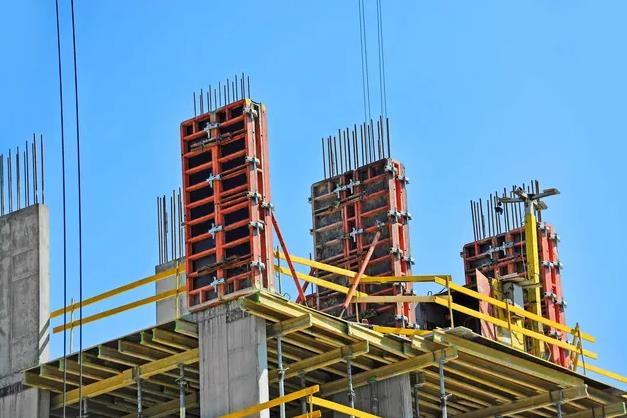
In a recent high-rise building project in New York City, contractors utilized system scaffolding due to its modular design and high load-bearing capacity. The project involved multiple trades working simultaneously at various heights. The use of guardrails and non-slip platforms significantly reduced fall incidents compared to previous projects using traditional scaffolds.
Case Study 2: Bridge Renovation
During a bridge renovation project in California, system scaffolding was employed due to its adaptability to complex structures. The easy access points allowed workers from different trades to navigate safely without interfering with each other's workspaces. Regular inspections ensured compliance with safety standards throughout the project duration.
Conclusion
The characteristics of system scaffolding significantly enhance worksite safety by providing a robust, flexible, and compliant framework for construction activities. Its modular design allows for quick adaptations to various project needs while maintaining high load-bearing capacities that ensure stability. Enhanced safety features like guardrails and toe boards protect workers from falls while compliance with safety standards ensures that all regulations are met. By facilitating easy access and egress, system scaffolding promotes safe movement on-site, ultimately contributing to a safer working environment.
FAQ
1. What are the main characteristics of system scaffolding?
System scaffolding features modular design, high load-bearing capacity, enhanced safety features, compliance with safety standards, easy access points, and cost-effectiveness.
2. How does modular design improve worksite safety?
Modular design allows for quick assembly and disassembly, enabling flexibility in configuration which enhances efficiency and reduces downtime on construction sites.
3. What safety features are included in system scaffolding?
Safety features include guardrails to prevent falls, toe boards to keep tools from falling off edges, and non-slip platforms for secure footing.
4. Why is compliance with OSHA important for scaffolding?
Compliance with OSHA ensures that scaffolding systems meet established safety standards, reducing the risk of accidents and legal liabilities on construction sites.
5. How does system scaffolding contribute to cost savings?
System scaffolding reduces labor costs through quicker installation times and offers durability that minimizes replacement costs over time.