Content Menu
● What is a K Lock Scaffolding System?
● Advantages of the K Lock Scaffolding System
● Tools and Components Needed
● Step-by-Step Assembly Guide for K Lock Scaffolding System
>> Step 1: Prepare the Base
>> Step 2: Erect the First Standards
>> Step 3: Connect Ledgers to Standards
>> Step 4: Install Transoms
>> Step 5: Level and Square the Scaffold
>> Step 6: Lay Scaffold Boards
>> Step 7: Add Additional Levels
>> Step 8: Install Guardrails, Toe Boards, and Bracing
>> Step 9: Final Inspection and Safety Checks
● Tips for Safe and Efficient Assembly
● Common Mistakes to Avoid
● Maintenance and Storage of K Lock Scaffolding System
● Applications of K Lock Scaffolding System
● K Lock Scaffolding System Safety Standards
● Conclusion
● FAQ
>> 1. What makes the K Lock scaffolding system different from other scaffolding types?
>> 2. Can I assemble K Lock scaffolding alone?
>> 3. How high can a K Lock scaffolding system be safely erected?
>> 4. Is the K Lock scaffolding system suitable for uneven ground?
>> 5. What maintenance is required for K Lock scaffolding components?
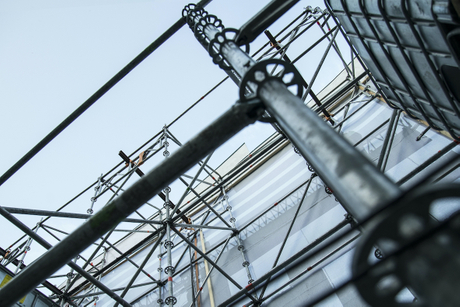
The K Lock scaffolding system also known as Cuplock scaffolding-is a modular, highly versatile scaffolding solution renowned for its quick assembly, adaptability, and robust design. It is widely used in construction, maintenance, and industrial settings across the globe.
What is a K Lock Scaffolding System?
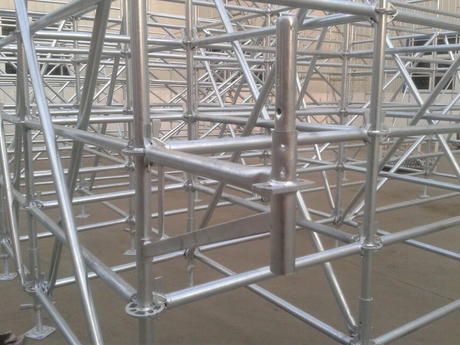
The K Lock scaffolding system is a prefabricated modular scaffolding system that uses a unique locking mechanism involving metal cups to connect vertical standards with horizontal ledgers and transoms securely. Unlike traditional tube-and-clamp scaffolding, K Lock scaffolding requires no loose fittings or additional parts, making it cost-effective, fast to install, and easy to adapt or dismantle. Its robust design ensures stability and safety, even when used for complex or large-scale projects.
Advantages of the K Lock Scaffolding System
Before diving into the assembly process, it's important to understand why the K Lock scaffolding system is a preferred choice for many contractors and construction professionals:
- Speed of Assembly: The unique cup-and-lock mechanism allows for rapid assembly and dismantling.
- Safety: Fewer loose components reduce the risk of missing parts and increase overall stability.
- Versatility: Suitable for straight, curved, or circular structures and adaptable to various heights.
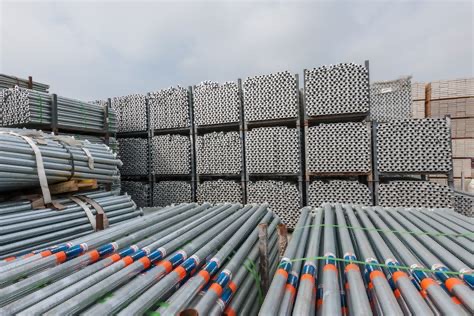
- Durability: Galvanized steel construction resists corrosion and damage.
- Cost-Effective: Reduced labor time and minimal maintenance needs lower overall project costs.
Tools and Components Needed
Before assembly, gather all necessary components and tools:
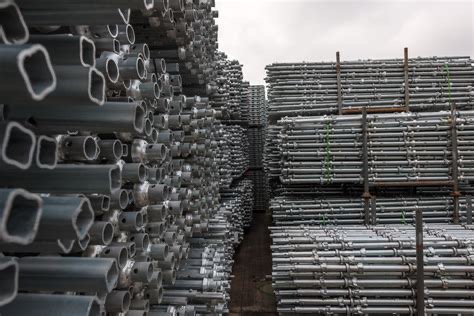
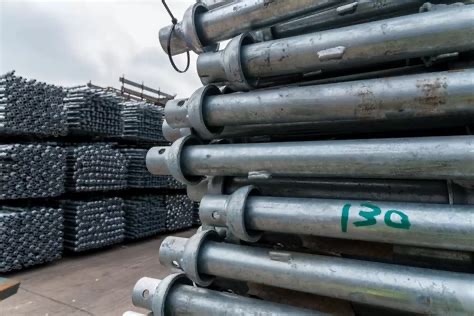
- Standards (vertical tubes): The primary vertical supports, available in various lengths.
- Ledgers (horizontal tubes): Connect horizontally between standards.
- Transoms (horizontal reinforcement tubes): Provide additional support for platforms.
- Base plates or adjustable base jacks: Distribute weight and level the scaffold.
- Locking cups: Fixed lower cups and sliding upper cups are welded to standards.
- Scaffold boards or platforms: The working surface for personnel and materials.
- Guardrails and toe boards: Essential for worker safety at height.
- Diagonal braces: For additional lateral stability, especially on tall scaffolds.
- Hammer or mallet: For locking cups into place.
- Level and measuring tape: To ensure accuracy and safety.
Step-by-Step Assembly Guide for K Lock Scaffolding System
Step 1: Prepare the Base
- Clear and Level the Ground: Remove debris and ensure the ground is as flat as possible.
- Install Base Plates or Adjustable Base Jacks: Place these on the ground where each standard will stand. Use wooden sole boards or concrete pads if the ground is soft or uneven.
- Check Alignment: Use a measuring tape to mark out the scaffold's footprint, ensuring the base plates are correctly spaced according to the scaffold design.
Step 2: Erect the First Standards
- Insert Standards: Place the vertical standards into the base plates or jacks. Ensure each standard is upright and aligned.
- Spacing: Standards should be spaced according to the scaffold's design-commonly 1.2m to 2.5m apart, depending on load requirements.
- Fixed Lower Cups: These are welded at intervals (typically 0.5m) on each standard and serve as the locking points for ledgers and transoms.
Step 3: Connect Ledgers to Standards
- Attach Ledgers: Insert the ends of the horizontal ledgers into the fixed lower cups of the standards.
- Engage Sliding Upper Cups: Slide the upper cup down over the ledger ends and rotate it to lock the ledger in place. Use a hammer or mallet to ensure a secure fit.
- Form the First Bay: Repeat this process on all sides to create a stable, rectangular base frame.
Step 4: Install Transoms
- Place Transoms: Lay the transoms across the ledgers to provide additional support for the scaffold boards.
- Lock in Place: Use the same cup-lock mechanism to secure the transoms, ensuring the frame is rigid and stable.
Step 5: Level and Square the Scaffold
- Check Level: Use a spirit level to ensure the scaffold is perfectly horizontal.
- Square the Frame: Measure diagonally across the frame to check that it is square. Adjust base jacks or plates as needed.
- Secure Foundation: Confirm that all base plates or jacks are firmly in contact with the ground.
Step 6: Lay Scaffold Boards
- Install Platforms: Place scaffold boards or steel platforms on the transoms to create a safe working surface.
- Check for Gaps: Ensure boards are tightly fitted, with no large gaps or overhangs that could cause tripping.
Step 7: Add Additional Levels
- Stack Standards: Insert new standards into the top of the existing ones, using the built-in connectors.
- Repeat Ledger and Transom Installation: Repeat steps 3 and 4 for each new level, ensuring all connections are securely locked.
- Continue Upwards: Build as high as required, following design specifications and local safety regulations.
Step 8: Install Guardrails, Toe Boards, and Bracing
- Guardrails: Attach horizontal guardrails at each working platform level to prevent falls.
- Toe Boards: Install toe boards along platform edges to prevent tools or materials from falling.
- Diagonal Bracing: For higher scaffolds or where extra stability is needed, add diagonal braces between standards.
Step 9: Final Inspection and Safety Checks
- Inspect All Connections: Check that every locking cup is properly engaged and that all components are undamaged.
- Test Stability: Gently shake the scaffold to ensure it is rigid and stable.
- Safety Compliance: Ensure the scaffold meets all local safety regulations and standards before use.
Tips for Safe and Efficient Assembly
- Work in Teams: Always assemble scaffolding with at least one partner for safety and efficiency.
- Wear PPE: Use helmets, gloves, safety shoes, and harnesses as appropriate.
- Check Components: Inspect all parts for damage or excessive wear before use.
- Follow Manufacturer Guidelines: Adhere to the recommended assembly sequence and load limits.
- Do Not Overreach: Always move the scaffold or reposition platforms rather than overreaching.
- Secure Tools and Materials: Use tool lanyards and keep platforms tidy to prevent falling objects.
Common Mistakes to Avoid
- Skipping Safety Checks: Always inspect the scaffold before use.
- Improper Leveling: An uneven base can lead to scaffold collapse.
- Using Damaged Components: Replace any bent, cracked, or corroded parts immediately.
- Overloading Platforms: Respect the maximum load ratings for each level.
- Incomplete Guardrails: Never use a scaffold without proper guardrails and toe boards.
Maintenance and Storage of K Lock Scaffolding System
Proper maintenance extends the lifespan and ensures the safety of your K Lock scaffolding system:
- Cleaning: Remove mud, concrete, or other debris after each use.
- Inspection: Regularly check for rust, cracks, or deformation.
- Lubrication: Apply light oil to moving parts, such as sliding cups, to prevent seizing.
- Storage: Store components in a dry, covered area to prevent corrosion.
- Record Keeping: Maintain a log of inspections and repairs for each component.
Applications of K Lock Scaffolding System
The versatility of the K Lock scaffolding system makes it suitable for a wide range of applications:
- Building Construction: Facade work, bricklaying, plastering, and painting.
- Industrial Maintenance: Access for plant shutdowns, tank repairs, and equipment installation.
- Infrastructure Projects: Bridge construction, tunnel access, and viaduct maintenance.
- Event Structures: Temporary stages, seating, and platforms for concerts or festivals.
K Lock Scaffolding System Safety Standards
Always ensure your K Lock scaffolding system complies with relevant safety standards, such as:
- OSHA (Occupational Safety and Health Administration)
- EN 12810/12811 (European Standards)
- BS 1139 (British Standard)
- Local Building Codes
Adhering to these standards helps prevent accidents and ensures the safety of all workers.
Conclusion
Assembling a K Lock scaffolding system is a straightforward yet highly effective process that, when done correctly, provides a safe, stable, and adaptable working platform for a variety of construction and industrial projects. The system's unique cup-lock mechanism allows for quick assembly and dismantling without loose parts, making it ideal for projects where time and safety are critical. By following the step-by-step guide, using the right tools, and prioritizing safety, you can efficiently set up a K Lock scaffold tailored to your project needs. Regular maintenance and adherence to safety standards will ensure your scaffold remains reliable and safe for years to come.
FAQ
1. What makes the K Lock scaffolding system different from other scaffolding types?
The K Lock system uses a unique cup-lock mechanism that requires no loose fittings, making it faster to assemble and more secure than traditional tube-and-clamp scaffolding. Its modular design allows for rapid assembly and dismantling, saving time and labor costs.
2. Can I assemble K Lock scaffolding alone?
While possible for small, low-level structures, it is safer and more efficient to assemble K Lock scaffolding with at least one partner due to the weight and complexity of components. Teamwork also reduces the risk of accidents.
3. How high can a K Lock scaffolding system be safely erected?
The height depends on the specific project requirements and local safety regulations. With proper bracing and base support, K Lock scaffolding can be safely erected to significant heights-often exceeding 20 meters-provided all safety standards are met.
4. Is the K Lock scaffolding system suitable for uneven ground?
Yes, adjustable base jacks and sole plates can be used to level the scaffold on uneven surfaces. Always ensure the base is stable and secure before proceeding with assembly.
5. What maintenance is required for K Lock scaffolding components?
The system is typically galvanized for corrosion resistance and requires regular inspection for damage or wear, especially after heavy use or accidents. Clean, inspect, and store components properly to maximize their lifespan and safety.