Content Menu
● Understanding Scaffold Pulley Systems
>> How Scaffold Pulley Systems Work
● Benefits of Using Scaffold Pulley Systems
● Types of Scaffold Pulley Systems
● Factors to Consider When Choosing a Scaffold Pulley System
● Installation and Maintenance
● Real-World Applications
>> Residential Construction
>> Commercial Projects
>> Maintenance Work
● Innovations in Scaffold Pulley Systems
● Challenges and Considerations
● Conclusion
● FAQ
>> 1. What is a scaffold pulley system?
>> 2. How does a scaffold pulley system improve safety?
>> 3. What types of materials can be lifted with a scaffold pulley system?
>> 4. How do I maintain my scaffold pulley system?
>> 5. Are there different configurations for scaffold pulley systems?
In the realm of construction, efficiency and safety are paramount. One of the tools that have gained traction in recent years is the scaffold pulley system. This article explores the intricacies of scaffold pulley systems, their benefits, and whether they are suitable for your next construction project.
Understanding Scaffold Pulley Systems
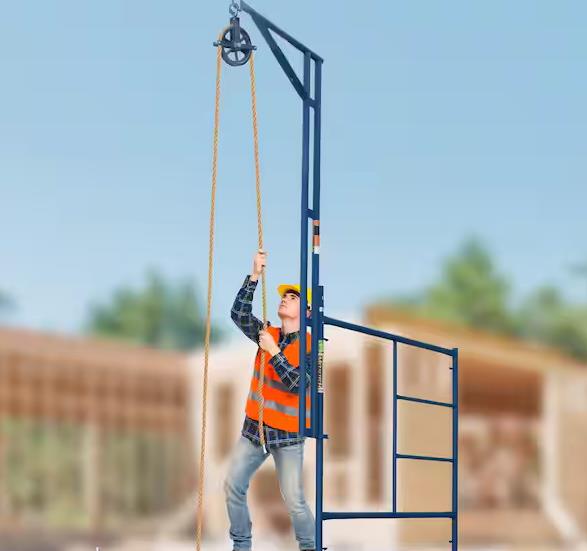
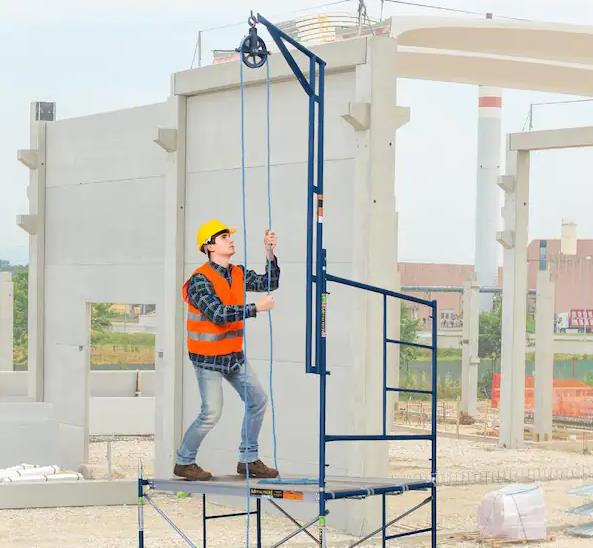
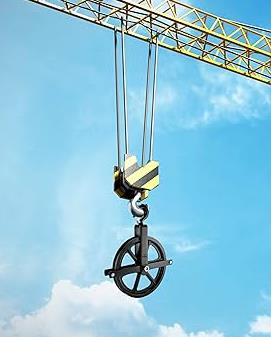
A scaffold pulley system is designed to facilitate the lifting and lowering of materials on construction sites. It consists of a series of pulleys and ropes that allow workers to move heavy loads with minimal effort. The mechanics behind these systems harness the principles of mechanical advantage, making it easier to handle materials at height.
How Scaffold Pulley Systems Work
The basic operation of a scaffold pulley system involves:
1. Pulleys: These are wheels on which a rope runs. They can be fixed or movable, depending on the design.
2. Rope: This is used to lift or lower loads. The type of rope used can significantly affect the efficiency and safety of the system.
3. Load: This refers to the materials being lifted or lowered.
When a worker pulls on one end of the rope, it creates a force that is transmitted through the pulleys, allowing for a greater load to be lifted with less effort.
Benefits of Using Scaffold Pulley Systems
Implementing a scaffold pulley system can yield numerous advantages:
- Increased Efficiency: By using mechanical advantage, workers can lift heavier loads without excessive physical strain. This is particularly beneficial in large-scale projects where time is money.
- Enhanced Safety: Modern scaffold pulley systems often include safety features such as brakes and automatic lowering mechanisms, reducing the risk of accidents. Safety is critical on construction sites, and these systems help mitigate potential hazards.
- Cost-Effective: Although there may be an initial investment in equipment, the long-term savings from reduced labor costs and increased productivity can be significant. Companies can complete projects faster and with fewer injuries, leading to lower insurance premiums.
Types of Scaffold Pulley Systems
There are several types of scaffold pulley systems available, each suited for different applications:
1. Single Pulley System: This is the simplest form and is typically used for lighter loads. It consists of one wheel and is ideal for small-scale tasks.
2. Double Pulley System: Offers greater mechanical advantage and is suitable for heavier materials. It allows workers to lift more weight with less effort.
3. Complex Pulley Systems: These involve multiple pulleys arranged in various configurations to maximize lifting capacity. They are often used in larger construction projects where heavy materials need to be moved frequently.
Factors to Consider When Choosing a Scaffold Pulley System
When selecting a scaffold pulley system for your project, consider the following:
- Weight Capacity: Ensure that the system can handle the maximum load you expect to lift. Overloading a system can lead to failures and accidents.
- Type of Materials: Different projects may require different types of ropes and pulleys. For example, synthetic ropes are lightweight but may not have the same strength as steel cables.
- Safety Features: Look for systems that include brakes or automatic lowering mechanisms. These features enhance safety by preventing uncontrolled descents.
Installation and Maintenance
Proper installation and maintenance are crucial for ensuring safety and efficiency:
- Installation: Follow manufacturer guidelines for installation to ensure optimal performance. Incorrect installation can lead to operational failures.
- Regular Inspections: Conduct routine checks on pulleys, ropes, and connections to identify wear or damage. Regular maintenance helps extend the life of your equipment.
- Training: Ensure all workers are trained in using the scaffold pulley system safely. Proper training reduces the risk of accidents caused by misuse.
Real-World Applications
Scaffold pulley systems are versatile tools used across various construction projects:
Residential Construction
In residential construction, scaffold pulley systems can assist in lifting materials such as drywall, roofing materials, and insulation into place. This not only speeds up the process but also reduces physical strain on workers.
Commercial Projects
For larger commercial projects, such as high-rise buildings or industrial facilities, scaffold pulley systems become indispensable. They enable teams to efficiently move heavy machinery parts or structural components without compromising safety.
Maintenance Work
In maintenance scenarios, such as cleaning windows on tall buildings or performing repairs on elevated structures, scaffold pulley systems provide an efficient means of accessing hard-to-reach areas safely.
Innovations in Scaffold Pulley Systems
Recent advancements in technology have led to innovations in scaffold pulley systems:
- Smart Pulleys: Some modern systems come equipped with sensors that monitor load weight and alert users when they exceed safe limits.
- Electric Hoists: Electric-powered hoists integrated into scaffold pulley systems allow for even easier lifting capabilities, reducing manual labor requirements significantly.
- Lightweight Materials: Advances in material science have led to lighter yet stronger pulleys and ropes, enhancing overall system efficiency.
Challenges and Considerations
While scaffold pulley systems offer many benefits, there are challenges that need consideration:
- Initial Costs: The upfront investment for high-quality scaffold pulley systems can be significant, which may deter some smaller contractors.
- Training Requirements: Ensuring all personnel are adequately trained may require additional time and resources upfront.
- Space Constraints: In tight workspaces, setting up a comprehensive scaffold pulley system may be challenging due to limited room for maneuvering.
Conclusion
In conclusion, a scaffold pulley system can significantly enhance efficiency and safety on construction sites. By understanding how these systems work and their benefits, you can make an informed decision about whether they are suitable for your next project. The investment in a quality scaffold pulley system often pays off through improved productivity and reduced labor costs.
FAQ
1. What is a scaffold pulley system?
A scaffold pulley system is a mechanism used to lift and lower materials safely on construction sites using pulleys and ropes.
2. How does a scaffold pulley system improve safety?
Modern systems often include features like brakes that prevent uncontrolled descents, thus minimizing the risk of accidents.
3. What types of materials can be lifted with a scaffold pulley system?
These systems can lift various materials, including scaffolding components, tools, and other construction supplies.
4. How do I maintain my scaffold pulley system?
Regular inspections should be conducted to check for wear or damage, and proper training should be provided to all users.
5. Are there different configurations for scaffold pulley systems?
Yes, there are single, double, and complex configurations available depending on your lifting needs.